
African Mango Seed Extract in Thermo Ignite: What the Evidence Says
African mango (Irvingia gabonensis) seed is rich in soluble fiber that may slow digestion. One small trial gave 150 mg twice daily for 10 weeks and reported less weight and waist size, but a review rated all three trials poor quality. Thermo Ignite names African mango seed extract; the amount per serving is not published.
What is African mango seed extract in Thermo Ignite?
A West African seed, long used in cooking, now studied as an extract.
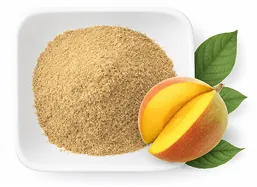
African mango is the common name for Irvingia gabonensis, a tree that grows in the forests of West and Central Africa. Thermo Ignite lists African mango seed extract as one of five named ingredients.
The seed is high in soluble fiber and plant fat. In Nigerian and Cameroonian cooking, ground seeds thicken soups and stews.
Supplement makers dry and extract the seed. The amount of seed extract in each serving of the drops is not published.
- Botanical name: Irvingia gabonensis
- Other names: bush mango, dika nut, ogbono
- Part used: seed
- Key content: soluble fiber and seed fat
How is African mango thought to work?
From fiber gel to a lab hypothesis, in four steps.
The leading idea centers on soluble fiber in the gut. A second idea, about fat-cell signals, comes mostly from lab work. Here is the proposed sequence.
- 1
Fiber meets water
In the stomach, soluble fiber from the seed absorbs water and forms a thick gel.
- 2
Digestion slows
The gel slows how fast the stomach empties, which may help you feel full longer.
- 3
Sugar and fat absorb more slowly
Fiber may slow sugar uptake and bind some bile acids in the gut.
- 4
Fat-cell signals may shift
Lab studies suggest changes in leptin and adiponectin. Human proof is lacking.
What doses did African mango research use, and how strong is it?
Striking early numbers, weak overall evidence.
The best-known trial gave 150 mg of a seed extract called IGOB131 twice daily for 10 weeks (Ngondi et al., 2009). Weight and waist size fell compared with placebo. A later systematic review of 3 trials with 208 people rated every trial as poor quality (Onakpoya et al., 2013 (African mango)).
Key African mango research
| Source | What was studied | What it found |
|---|---|---|
| Ngondi et al., 2009 | 150 mg twice daily for 10 weeks | Weight and waist fell versus placebo in one small trial |
| Onakpoya et al., 2013 (African mango) | 3 trials, 208 people | All poor quality; could not recommend for weight loss |
| NIH ODS, Weight-loss supplements | Review of weight-loss ingredients | Evidence is limited; effects are small |
How solid is the evidence? (longer bar = stronger)
How the evidence score is built
| Criterion | Score | Why |
|---|---|---|
| Amount of research | 1.0 / 5 | Only three small trials |
| Trial quality | 1.0 / 5 | All rated poor quality in review |
| Size of reported effect | 3.0 / 5 | Large in one trial, but not confirmed |
| Safety data | 2.5 / 5 | Few side effects reported; little long-term data |
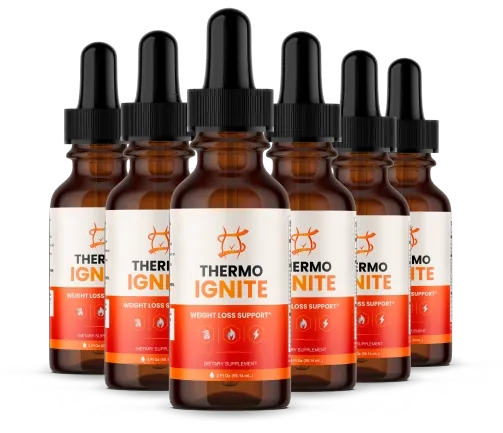
Ready to try Thermo Ignite?
Best value$49 a bottle · $294 for 6 $1,074
How does the African mango in Thermo Ignite compare with the trial dose?
Trial math on one side, a blank on the other.
A real comparison needs the label figure, and that is not published. Here is the trial math next to what the sales pack shows.
- African mango seed extract is named on the sales page and brand graphicShown
- Sales FAQ serving: 1 mL twice a dayShown
- Milligrams of African mango extract per servingNot published
- Whether the extract is IGOB131 or another typeNot published
Is African mango safe? Side effects and interactions
Mild effects in short trials, with a fiber-related medicine check.
In the short trials, African mango was well tolerated. Reported side effects were mild (NIH ODS, Weight-loss supplements). Long-term safety has not been studied well.
African mango side effects and tips
| Possible effect | How common | Tip |
|---|---|---|
| Headache | Reported in trials | Usually mild; stop if it persists |
| Gas and bloating | Reported in trials | Common with fiber; take with water |
| Sleep trouble | Reported in trials | Note when you take your doses |
| Effect on medicine timing | Possible with fiber | Ask a pharmacist about spacing |
Who should avoid African mango and Thermo Ignite?
Five groups who should check first.
These groups should skip African mango or ask a clinician first.
- People on diabetes medicine. Fiber and possible glucose effects could add to treatment.
- Pregnant or breastfeeding women. Thermo Ignite is not for these stages.
- Anyone under 18. Thermo Ignite is for adults 18 and over.
- People with a tree-nut or seed allergy. African mango is a seed; check with an allergist if unsure.
- People with a digestive condition. Extra fiber can worsen bloating in some people.
The Thermo Ignite side effects page pulls these cautions together with those of the other four ingredients.
How is African mango used as food and in supplements?
From a soup thickener to a concentrated extract.
African mango has a long life as a food before it became a supplement. The tabs show the main forms.
The fleshy fruit is eaten fresh in parts of West Africa. It is not the part used in supplements, and it does not carry the same seed fiber.
Dried and ground seeds thicken soups such as Nigerian ogbono soup. The fiber gives the soup its slippery texture.
Pressed seeds yield a solid fat, sometimes called dika butter, used in cooking and cosmetics.
A concentrated extract of the seed. Branded versions such as IGOB131 were used in trials. Thermo Ignite names a seed extract; its type and amount are not published.
Start your 60-day window today
Best value$49 a bottle · $294 for 6 $1,074
How does African mango fit with the other Thermo Ignite ingredients?
Fiber and fullness alongside four other themes.
African mango is the fiber and fullness ingredient in the formula. The others work along different routes, and no study has tested the five together.
African mango and its four partners
| Ingredient | Main theme | Link with African mango |
|---|---|---|
| Chromium picolinate | Supports insulin | Both studied for weight with weak or modest results |
| Gymnema sylvestre | Sweet taste and glucose | Both may slow sugar uptake in the gut |
| Green tea extract | Catechins and caffeine | Separate energy theme; adds caffeine |
| L-carnitine HCL | Fat transport | Both can upset the stomach at higher amounts |
The shared practical point is digestion. If the drops upset your stomach, try them with a meal and plenty of water, and stop if symptoms continue.
How can you judge an African mango claim, including for Thermo Ignite?
Four questions that separate evidence from marketing.
Ask four questions before you trust any African mango promise. They come straight from how regulators judge health claims (FTC, Health Products Compliance Guidance).
Which extract was studied?
Results from IGOB131 do not carry over to every seed extract. Look for the extract name on the label.
What amount is in a serving?
Compare the label figure with the 300 mg a day used in the 2009 trial. If no figure is shown, the comparison is unknown.
Who ran the research?
Check whether more than one research group has repeated the result. For African mango, that has not happened yet.
Is a number of pounds promised?
Be wary of exact weight-loss promises. The FDA warns that bold weight claims are a common sign of fraud (FDA, Weight-loss fraud).
Thermo Ignite is a dietary supplement, not a fat-loss medicine, and no amount of weight loss is promised on this site.
African mango questions
Does African mango really work for weight loss?
The evidence is weak. One small 10-week trial found less weight and waist size with 150 mg twice daily than with placebo (Ngondi et al., 2009). A systematic review rated all the trials poor quality and could not recommend it (Onakpoya et al., 2013 (African mango)).
What does African mango do for your body?
Its seed is rich in soluble fiber, which may slow digestion and help you feel full. Lab studies suggest effects on fat-cell signals such as leptin and adiponectin, but these have not been confirmed in strong human trials.
What are the side effects of African mango?
Trials reported few side effects. Those noted include headache, gas, sleep trouble and stomach upset (NIH ODS, Weight-loss supplements). Long-term safety has not been well studied.
How much African mango should I take a day?
There is no official dose. The best-known trial used 150 mg of seed extract twice daily, or 300 mg a day (Ngondi et al., 2009). Follow your product label.
Is African mango safe to take with diabetes medicine?
Ask your doctor first. Soluble fiber can change how fast sugar is absorbed, and some trials reported lower glucose. Combined with diabetes medicines, that could matter.
Is African mango the same as regular mango?
No. African mango (Irvingia gabonensis) is a different tree from the common mango you buy in stores. Supplements use its seed, not the fruit flesh.
What is IGOB131?
IGOB131 is the name of the specific African mango seed extract used in the 2009 Ngondi trial. Results from one branded extract may not apply to other products.
How much African mango is in Thermo Ignite?
The amount is not published. The sales page names African mango seed extract, but no Supplement Facts panel was supplied. Check your bottle label.
Is African mango FDA approved?
No. African mango is sold as a dietary supplement, and the FDA does not approve dietary supplements before they are marketed (U.S. FDA, Dietary Supplements Q&A). The same is true for Thermo Ignite.
How long does African mango take to work?
The main trial measured results after 10 weeks. No supplement can promise a timeline. If you try it, judge any change with simple notes over several weeks.
Ready to try Thermo Ignite?
Order from the U.S. authorized merchant, keep your order email, and you are covered by the 60-day money-back guarantee. Questions first? Call +1 (302) 200-3480.
- Secure checkout
- 60-day promise
- Ships from the US
- Tracking by email
Keep reading
Ingredients
The five named ingredients, their research doses and what the label still has not shown.
Read more →Green tea extract
Catechins plus caffeine; small, mixed weight results and rare liver reports. Amounts not published.
Read more →Side effects
Caffeine, stomach, medicine interactions, liver signs and what to do if you feel unwell.
Read more →