
L-Carnitine HCL in Thermo Ignite: How It Works and What Studies Found
L-carnitine moves fatty acids into mitochondria so cells can burn them for energy. In 9 trials, carnitine gave about 1.33 kg more weight loss than placebo, and the effect shrank over time. Around 3 g a day can upset the stomach. Thermo Ignite names L-carnitine HCL, but the amount per serving is not published.
What is L-carnitine HCL in Thermo Ignite?
A compound you already make, sold in a form that dissolves well in liquid drops.
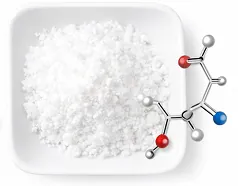
L-carnitine is a natural compound your body makes from two amino acids, lysine and methionine. The liver and kidneys do most of the work. Thermo Ignite lists it as L-carnitine HCL, the hydrochloride salt form.
Nearly all of your carnitine sits in muscle, including the heart. There it helps cells turn fat into usable energy.
Because the body makes its own, healthy adults do not need carnitine from pills (NIH ODS, Carnitine). Supplements are studied to see whether extra carnitine changes weight, exercise or recovery.
- Type
- Amino-acid compound, made in the body
- Main job
- Moves fatty acids into mitochondria
- Form in Thermo Ignite
- L-carnitine HCL (hydrochloride salt)
- Amount per serving
- Not published in the supplied pack
How does L-carnitine work, step by step?
A four-stop route from fat stores to cell fuel.
Carnitine works like a shuttle bus for fat. Long-chain fatty acids cannot cross into the mitochondria, the energy centers of cells, without help. Here is the route.
- 1
Fat is released
Fatty acids leave fat stores and travel in the blood to muscle cells.
- 2
Carnitine picks them up
Inside the cell, carnitine binds each fatty acid to form acylcarnitine.
- 3
It crosses the membrane
A transporter carries acylcarnitine into the mitochondria.
- 4
Fat becomes energy
The fatty acid is released and broken down for fuel. Carnitine goes back for another load.
The catch is supply. Healthy muscle already has plenty of carnitine, so adding more does not automatically make the shuttle run faster. That helps explain why weight results in trials are modest.
What L-carnitine doses has research studied?
From dinner plate to study dose, on one scale.
Metabolic studies have used 0.25 to 4 g a day (NIH ODS, Carnitine). Ordinary diets supply far less. The bars compare typical daily intakes with study amounts.
Daily carnitine from food versus study doses (bar length = share of 4 g)
Key L-carnitine research
| Source | What was studied | What it found |
|---|---|---|
| Pooyandjoo et al., 2016 | 9 randomized trials, 911 adults | About 1.33 kg more weight loss than placebo; effect shrank with time |
| NIH ODS, Carnitine | 0.25–4 g a day in metabolic studies | Modest weight effects; about 3 g a day causes GI upset and odor |
| Koeth et al., 2013 | Human cohort of 2,595 plus animal work | Gut bacteria make TMAO from carnitine; TMAO linked to heart risk |
A 1.33 kg average is real but small. It is about the weight of a large bottle of water, spread over weeks or months.
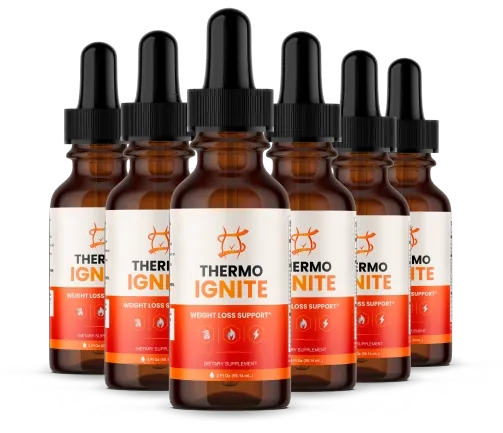
Ready to try Thermo Ignite?
Best value$49 a bottle · $294 for 6 $1,074
How does the L-carnitine in Thermo Ignite compare with study doses?
Three views of the same gap: shown, missing, and what to look for.
It cannot be compared yet, because the amount per serving is not published. Use the tabs to see what is known, what is missing and what to ask.
- L-carnitine HCL is named on the sales page and brand graphic.
- Sales FAQ serving: 1 mL (about two full droppers) twice daily, so 2 mL a day.
- Form: liquid drops in an amber glass dropper bottle.
- Milligrams of L-carnitine HCL per 1 mL.
- How much of that weight is carnitine and how much is the HCL salt.
- A full Supplement Facts panel and other ingredients.
- Does the label list carnitine in mg per serving?
- Is the daily total closer to 250 mg or to the gram amounts used in studies?
- Is it well below the 3 g a day linked to stomach upset and odor?
Is L-carnitine safe, and what are the side effects?
Mostly mild, with two signals that deserve a doctor's input.
Carnitine is well tolerated by most healthy adults at moderate doses. Problems are more likely at higher intakes or with certain medicines.
What works in its favor
- Made naturally by the body, so it is a familiar compound
- Small but measurable weight effect in pooled trials
- Side effects at moderate doses are usually mild
- Dissolves well, which suits a liquid format
What to watch
- About 3 g a day can cause nausea, cramps and diarrhea
- High doses may cause a fishy body odor
- Gut bacteria turn it into TMAO, linked with heart risk (Koeth et al., 2013)
- One case report of higher INR with a blood thinner (Bachmann & Hoffmann, 2004)
Who should avoid L-carnitine and Thermo Ignite?
Five groups, one rule: ask first.
These groups should skip carnitine supplements or get medical advice first.
Who should check before taking carnitine
| Group | Why | Next step |
|---|---|---|
| People on warfarin-type blood thinners | Case report of a higher INR | Ask your doctor; INR checks may be needed |
| People with heart disease | TMAO question is not settled | Discuss with your cardiologist |
| Pregnancy and breastfeeding | Thermo Ignite is not for these stages | Do not use |
| Anyone under 18 | Thermo Ignite is for adults only | Do not use |
| People with seizure disorders or on thyroid hormone | Medical conditions need individual advice | Check with your doctor first |
If none of these apply, start with the label serving and watch how your stomach feels in the first week. Stop and ask a doctor if a fishy odor does not fade or stomach pain keeps coming back.
Where does L-carnitine come from: food and supplement forms
Steak beats supplements on absorption, and forms differ in purpose.
Red meat is the richest food source by far. Fish, poultry and milk supply less, and plant foods supply very little (NIH ODS, Carnitine). The body absorbs carnitine from food better than from supplements.
Relative carnitine levels in common foods
| Food | Carnitine level | Note |
|---|---|---|
| Beef steak | High | The main source in most diets |
| Ground beef | High | Slightly less than steak |
| Milk and cheese | Low | Small amounts per serving |
| Chicken and fish | Low | Lower than red meat |
| Bread, rice, vegetables | Very low | Plant foods add almost none |
L-carnitine HCL
Hydrochloride salt. Dissolves well; the form named for Thermo Ignite.
L-carnitine L-tartrate
Popular in sports products and studied for exercise recovery.
Acetyl-L-carnitine
Studied more for nerve and brain health than for weight.
Propionyl-L-carnitine
Studied mostly in circulation and heart research.
How does L-carnitine work with the other Thermo Ignite ingredients?
Fat transport, energy, glucose and fiber: four lanes in one bottle.
Carnitine is the formula's fat-transport ingredient. The other four follow different pathways, which is the usual logic behind a blend. No study has tested the five together, so think of them as separate tools with separate evidence. You can compare all five on the Thermo Ignite ingredients page.
- Green tea extract adds catechins and natural caffeine. Studies of catechin-caffeine mixes found a small rise in daily energy use, which pairs with carnitine's fat-transport role.
- Chromium picolinate works on the glucose side by supporting insulin, not on fat transport.
- Gymnema sylvestre is studied for sweet taste and blood sugar.
- African mango seed brings soluble fiber that may affect fullness.
Stomach upset is the shared risk. Carnitine and African mango can both cause GI symptoms, so take the drops with food if your stomach is sensitive.
L-carnitine questions
Does L-carnitine help you lose weight?
It may help a little. A 2016 review of 9 randomized trials in 911 adults found about 1.33 kg (roughly 3 lb) more weight loss with carnitine than with placebo (Pooyandjoo et al., 2016). The effect got smaller the longer people took it.
Is L-carnitine safe to take daily?
For most healthy adults, daily carnitine at moderate amounts is well tolerated. Around 3 g a day can cause nausea, stomach cramps, diarrhea and a fishy body odor (NIH ODS, Carnitine). People on blood thinners should ask a doctor first.
What are the side effects of L-carnitine?
The most common are stomach upset, nausea, diarrhea and cramps. At higher doses, some people notice a fishy smell in their breath, sweat or urine. These usually ease when the dose is lowered.
When is the best time to take L-carnitine?
There is no proven best time. Many people take it with meals to reduce stomach upset. For Thermo Ignite, follow the sales FAQ: 1 mL twice a day, or as a clinician directs, and confirm the bottle.
Does L-carnitine make you smell fishy?
It can at higher doses. Gut bacteria turn part of the carnitine into trimethylamine, which has a fishy smell. The NIH Office of Dietary Supplements links this to intakes of about 3 g a day.
Is L-carnitine bad for your heart?
The answer is not settled. Gut bacteria convert carnitine into TMAO, a compound linked with heart disease risk in a 2013 study (Koeth et al., 2013). Other studies of carnitine in heart patients show mixed results, so ask your doctor if you have heart disease.
Can I take L-carnitine with warfarin?
Talk to your doctor first. A case report described a rise in INR, a blood-clotting measure, when a patient took 1,000 mg of carnitine a day with acenocoumarol, a warfarin-type drug (Bachmann & Hoffmann, 2004). Your INR may need checking.
What is the difference between L-carnitine and L-carnitine HCL?
L-carnitine HCL is L-carnitine bound to hydrochloride, a salt form that dissolves well in liquid. Once absorbed, the carnitine part works the same way. The salt simply changes how it is packaged.
How much L-carnitine is in Thermo Ignite?
The amount is not published. The sales page names L-carnitine HCL, but no Supplement Facts panel was supplied. Check your bottle label for the milligram amount per serving.
Do vegans need L-carnitine supplements?
Usually not. Vegans eat much less carnitine, but healthy adults make enough in the liver and kidneys from two amino acids, lysine and methionine. Blood levels in vegans are often a little lower but still normal.
Ready to try Thermo Ignite?
Order from the U.S. authorized merchant, keep your order email, and you are covered by the 60-day money-back guarantee. Questions first? Call +1 (302) 200-3480.
- Secure checkout
- 60-day promise
- Ships from the US
- Tracking by email
Keep reading
Ingredients
The five named ingredients, their research doses and what the label still has not shown.
Read more →L-carnitine and weight loss
What carnitine does, what 9 trials found, and the TMAO and blood thinner questions.
Read more →Green tea extract
Catechins plus caffeine; small, mixed weight results and rare liver reports. Amounts not published.
Read more →