
Does L-Carnitine Help With Weight Loss? Thermo Ignite Facts
L-carnitine carries fatty acids into mitochondria to be burned for energy. A 2016 review of 9 trials found about 1.33 kg more weight loss than placebo, and the gap shrank over time. Doses near 3 g a day can upset the stomach and cause fishy odor. Thermo Ignite names L-carnitine HCL, but the amount per serving is not published.
What does L-carnitine do in the body, and why is it in Thermo Ignite?
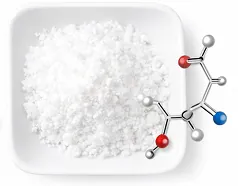
L-carnitine is a carrier. Its main job is to move long-chain fatty acids into the mitochondria, the small power stations inside your cells. Once inside, those fats can be broken down for energy.
Your muscles and heart rely on this shuttle the most. That is why most of your carnitine is stored in muscle.
Supplement makers add it to weight-management formulas because of that fat-transport role. Thermo Ignite lists L-carnitine HCL as one of its five named ingredients. The step-by-step view below shows the shuttle.
- 1
Fat leaves storage
Fatty acids travel in the blood to muscle cells that need fuel.
- 2
Carnitine binds them
In the cell, carnitine attaches to each long fatty acid like a tag.
- 3
Through the inner wall
The tagged fat crosses the inner wall of the mitochondria. Without carnitine, long fats cannot get in.
- 4
Burned for energy
Inside, the fat is broken down for energy. Carnitine is released and goes back for more.
Where does carnitine come from, and do you need more of it?
Healthy adults make their own carnitine. The liver and kidneys build it from two amino acids, lysine and methionine. Food adds more. Red meat is the richest source, followed by fish, poultry and milk.
Because the body makes enough, carnitine is not an essential nutrient for most adults (NIH ODS, Carnitine). Some people with rare genetic conditions or kidney disease on dialysis do need it, under a doctor's care.
- What it is
- A compound made from lysine and methionine
- Where it is stored
- Mostly in skeletal muscle and heart muscle
- Main food sources
- Red meat, fish, poultry, milk
- Form named for Thermo Ignite
- L-carnitine HCL (a stable salt form)
- Amount per Thermo Ignite serving
- Not published
So the real question is not whether you lack carnitine. It is whether extra carnitine changes weight. Our L-carnitine ingredient page covers the basics in more depth.
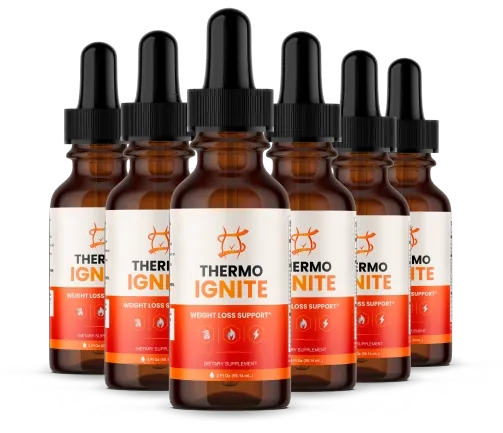
Ready to try Thermo Ignite?
Best value$49 a bottle · $294 for 6 $1,074
What did the 2016 carnitine weight-loss review find?
Here is what we know. In 2016, Pooyandjoo and colleagues pooled 9 randomized controlled trials with 911 adults (Pooyandjoo et al., 2016). People who took carnitine lost about 1.33 kg (about 2.9 lb) more than people on placebo.
The same review found a pattern worth noting. The extra loss got smaller the longer people took carnitine. Many trials also paired it with diets or exercise programs, so the supplement was one part of a larger plan.
Average extra weight loss versus placebo in each review. The numbers come from separate studies and do not add up.
The chart puts carnitine next to two other Thermo Ignite ingredients. Each bar is a separate review of one ingredient. None of them tested a blend, and you cannot stack the numbers. Read more about the green tea side in our green tea and caffeine article.
Why is 1.33 kg a modest result?
It is a real average, but a small one. About 2.9 lb over a trial of weeks or months is less than many people expect from a supplement ad. Four points help put it in context.
It is an average
Some people lost more and some lost less. An average does not predict your result.
It faded over time
The review found the gap shrank with longer use. Early changes did not keep growing.
It came with a plan
Many trials included diet or exercise. Carnitine added a little on top of that work.
It was carnitine alone
The trials tested measured carnitine doses, not Thermo Ignite or any other blend.
The NIH weight-loss fact sheet reaches a similar view for most ingredients: effects are small and evidence is limited (NIH ODS, Weight-loss supplements). That is the honest frame for any formula, including Thermo Ignite drops.
What doses of carnitine were studied, and what are the side effects?
Studies used a wide range. The NIH Office of Dietary Supplements lists 0.25 to 4 g a day in metabolic studies (NIH ODS, Carnitine). At around 3 g a day, side effects become more likely.
Carnitine dose and side-effect summary from the NIH Office of Dietary Supplements
| Topic | What the NIH fact sheet says | What it means for you |
|---|---|---|
| Dose range studied | 0.25–4 g a day | Effects in studies came from gram-level doses |
| Common side effects | Nausea, vomiting, cramps, diarrhea | More likely near 3 g a day |
| Body odor | A fishy body odor at about 3 g a day | Linked to how carnitine is broken down |
| Gut bacteria | Turn carnitine into TMAO | See the next section |
| Thermo Ignite serving | Not covered | Amount not published, so no direct comparison |
Most people who get stomach upset notice it soon after starting. If a reaction does not settle, stop and call a doctor. The Thermo Ignite side effects page lists effects for the full formula.
What is TMAO, and should carnitine users worry about it?
TMAO is a compound your gut bacteria make from carnitine and choline. In 2013, Koeth and colleagues studied 2,595 people plus lab animals (Koeth et al., 2013). Higher TMAO levels were linked with heart disease risk.
This is how the finding works, step by step. You eat or swallow carnitine. Some reaches gut bacteria. They turn it into a compound called TMA. The liver converts TMA into TMAO, which then circulates in the blood.
What the link does and does not show
- A link in a group of people is not proof that carnitine supplements cause heart disease.
- Red meat is the main carnitine source in that research, so diet patterns blur the picture.
- Research on TMAO is still active, and experts disagree on how much it matters.
A fair reading: healthy adults do not need to panic, but people with heart disease should ask a cardiologist before taking any carnitine product.
Start your 60-day window today
Best value$49 a bottle · $294 for 6 $1,074
Can carnitine in Thermo Ignite affect blood thinners?
It might. In 2004, Bachmann and Hoffmann reported one man who took 1,000 mg of carnitine a day for 10 weeks while on acenocoumarol (Bachmann & Hoffmann, 2004). That drug is a blood thinner similar to warfarin. His INR rose, which means his blood clotted more slowly. It settled after he stopped the carnitine.
One case report is not a study, and it cannot tell us how often this happens. It is enough reason to be careful.
Where does Thermo Ignite fit in the carnitine evidence?
Thermo Ignite names L-carnitine HCL, but the amount per serving is not published. No Supplement Facts panel was supplied with the sales pack. That leaves an honest gap: we cannot say whether a serving is close to study doses.
- L-carnitine HCL is named on the sales page and the brand graphicShown
- Serving per the sales FAQ: 1 mL (about two full droppers) twice dailyShown
- Carnitine amount per servingNot published
- Full Supplement Facts panel and other ingredientsNot published

What to do with that: treat carnitine as one supporting part of the formula, not the engine of results. Check the label when your bottle arrives, and see the Thermo Ignite Supplement Facts page for what is published so far. The full list lives on the Thermo Ignite ingredients page.
Thermo Ignite is a dietary supplement, not a fat-loss medicine. †These statements have not been evaluated by the Food and Drug Administration. This product is not intended to diagnose, treat, cure, or prevent any disease.
L-carnitine and weight loss questions
Does L-carnitine help you lose weight?
It may help a little. A 2016 review of 9 randomized trials found adults lost about 1.33 kg (about 2.9 lb) more than placebo. The gap shrank the longer people took it, and diet and activity still drove most of the change.
How much L-carnitine should I take a day for weight loss?
There is no set dose for weight loss. Studies listed by the NIH Office of Dietary Supplements used 0.25 to 4 g a day. Around 3 g a day, some people get stomach upset and a fishy body odor. Follow your product label.
How much L-carnitine is in Thermo Ignite?
The amount is not published. The sales page names L-carnitine HCL, but no Supplement Facts panel with amounts was supplied. So nobody can say how one serving compares with the doses used in studies.
What are the side effects of L-carnitine?
At about 3 g a day, carnitine can cause nausea, vomiting, stomach cramps, diarrhea and a fishy body odor, according to the NIH. Lower amounts are usually well tolerated. Stop and ask a doctor if a reaction does not settle.
Can I take L-carnitine with warfarin?
Ask your doctor first. A 2004 case report described a man whose INR rose while he took carnitine with acenocoumarol, a blood thinner similar to warfarin. It settled after he stopped. Your clinician may want to check your INR.
Is L-carnitine bad for your heart?
The question is open. Gut bacteria turn carnitine into TMAO, and a 2013 study linked higher TMAO with heart disease risk. That shows a link, not proof of harm from supplements. People with heart disease should ask a doctor first.
How long does L-carnitine take to work?
Most trials ran for weeks to several months. The 2016 review found the extra weight loss got smaller with longer use. If you try a carnitine product, judge it over 8 to 12 weeks alongside your eating and activity habits.
What is the difference between L-carnitine and L-carnitine HCL?
L-carnitine HCL is L-carnitine bound to hydrochloride, a salt form that is stable in products. Inside the body it acts as plain L-carnitine. Other forms, like L-carnitine tartrate, work the same way once absorbed.
How much L-carnitine is in Thermo Ignite drops?
Thermo Ignite names L-carnitine HCL as one of five ingredients, but the amount per serving is not published. Ask the store for the figure before you compare it with study doses.
Can I take Thermo Ignite with blood thinners because of L-carnitine?
The site names L-carnitine as a point to raise with a doctor or pharmacist if you use blood thinners. Bring the bottle and ask before you start.
What does L-carnitine do in the body?
L-carnitine carries fatty acids into mitochondria to be burned for energy.
Ready to try Thermo Ignite?
Order from the U.S. authorized merchant, keep your order email, and you are covered by the 60-day money-back guarantee. Questions first? Call +1 (302) 200-3480.
- Secure checkout
- 60-day promise
- Ships from the US
- Tracking by email
Keep reading
L-carnitine
Fat-transport compound; about 1.33 kg in 9 trials. Amount in the drops not published.
Read more →Side effects
Caffeine, stomach, medicine interactions, liver signs and what to do if you feel unwell.
Read more →Green tea extract and caffeine
Catechins, caffeine limits, liver safety and how to time the evening serving.
Read more →